
The psychology behind gambling how risk influences emotional well-being
The allure of risk in gambling
The thrill of gambling is intricately tied to the element of risk. This psychological phenomenon can be traced back to the brain’s reward system. When individuals engage in gambling, the anticipation of winning triggers the release of dopamine, a neurotransmitter associated with pleasure and reward. This biochemical response creates a sense of euphoria, reinforcing the desire to continue gambling, even in the face of potential losses. For those seeking the best australian online casinos, the experience can be both exhilarating and overwhelming.

Moreover, the unpredictability of outcomes in gambling heightens excitement. This uncertainty can lead to an addictive cycle where players seek to recreate the initial thrill experienced during their first win. The desire for risk can overshadow logical decision-making, often leading to impulsive actions driven by emotional highs.
Winning in gambling is not just about financial gain; it significantly affects emotional well-being. A win can boost self-esteem and create feelings of empowerment, while a loss often results in disappointment and frustration. This dichotomy can lead to a rollercoaster of emotions, where players might chase losses in hopes of regaining a previous high. Such behaviors can compromise mental health and lead to increased anxiety and depression.
Additionally, the impact of losing can often be overlooked. Individuals may rationalize their losses by focusing on the excitement of potential future wins, which can create a dangerous cycle of chasing losses. This ongoing battle between wins and losses can distort an individual’s perception of luck, leading them to believe that they can control outcomes through sheer willpower, which is rarely the case.
Social dynamics play a pivotal role in gambling behavior. Many individuals are introduced to gambling through friends or family, making it a social activity. The communal aspect can amplify feelings of enjoyment and acceptance, as well as peer pressure. Players may feel compelled to join in on gambling activities to feel included, further complicating their emotional relationship with risk and reward.
Moreover, social gambling environments can enhance the emotional highs and lows experienced during play. The collective excitement of a group can amplify individual feelings of elation or despair. This social influence not only affects gambling patterns but also alters the perception of risk, as individuals may take greater risks when part of a group, believing their chances of winning are higher due to shared experiences.
Understanding responsible gambling
Recognizing the psychological dynamics at play in gambling is essential for promoting responsible gambling practices. Awareness of the emotional impacts of risk can help individuals make informed decisions about their gambling habits. Establishing limits and understanding one’s emotional triggers can mitigate the adverse effects of gambling and help maintain emotional well-being.
Programs and resources aimed at responsible gambling emphasize the importance of balance. By promoting self-control and encouraging players to reflect on their motivations, these initiatives can help reduce the risk of developing problematic gambling behavior. Encouraging players to view gambling as a form of entertainment rather than a means of income can also foster healthier habits.
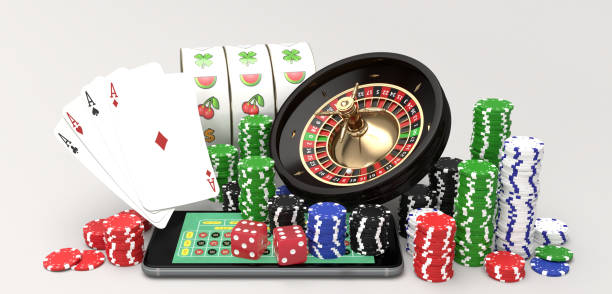
Exploring the online gambling landscape
In today’s digital age, online gambling has transformed the way individuals engage with risk and reward. With numerous platforms available, players can enjoy a wide variety of games from the comfort of their homes. This convenience can amplify both the excitement and the potential pitfalls associated with gambling.
As players navigate the online gambling world, understanding the psychological factors at play becomes even more critical. It’s essential for individuals to educate themselves about the risks involved, set clear boundaries, and prioritize their emotional well-being while participating in this dynamic environment.